


Speakers
.jpg)
Jeremy Wilusz received his PhD from the Watson School of Biological Sciences at Cold Spring Harbor Laboratory and carried out postdoctoral studies at MIT before joining Baylor College of Medicine, where he is a CPRIT Scholar in Cancer Research. His research addresses how the many poorly characterized noncoding RNAs across the genome are generated, regulated, and function — including the biogenesis of circular RNAs, how the Integrator complex cleaves nascent transcripts to control gene expression, the regulation of non-AUG translation, and the maintenance of non-polyadenylated transcripts such as MALAT1, a lncRNA frequently misregulated in cancer.
DR. JOHN MATTICK
John Mattick was previously Executive of Genomics England (2018–2019) and Director of the Garvan Institute of Medical Research in Sydney (2012–2018), where he established one of the first HiSeq X10 sequencing and clinically accredited genome analysis facilities, and earlier served as Foundation Director of the Institute for Molecular Bioscience and the Australian Genome Research Facility at the University of Queensland. His research centers on the role of regulatory RNAs in the evolution and development of complex organisms. His lab studies the diverse biology of long non-coding RNAs (lncRNAs), including their structure–function relationships, subnuclear organization, roles in brain function and cognition, immune regulation, links to complex traits and disorders, and the evolution of ultraconserved elements.

SHARP Professor of RNA Biology, UNSW Sydney (Australia)
DR. JEREMY WILUSZ
Associate Professor, , Baylor College of Medicine (USA)
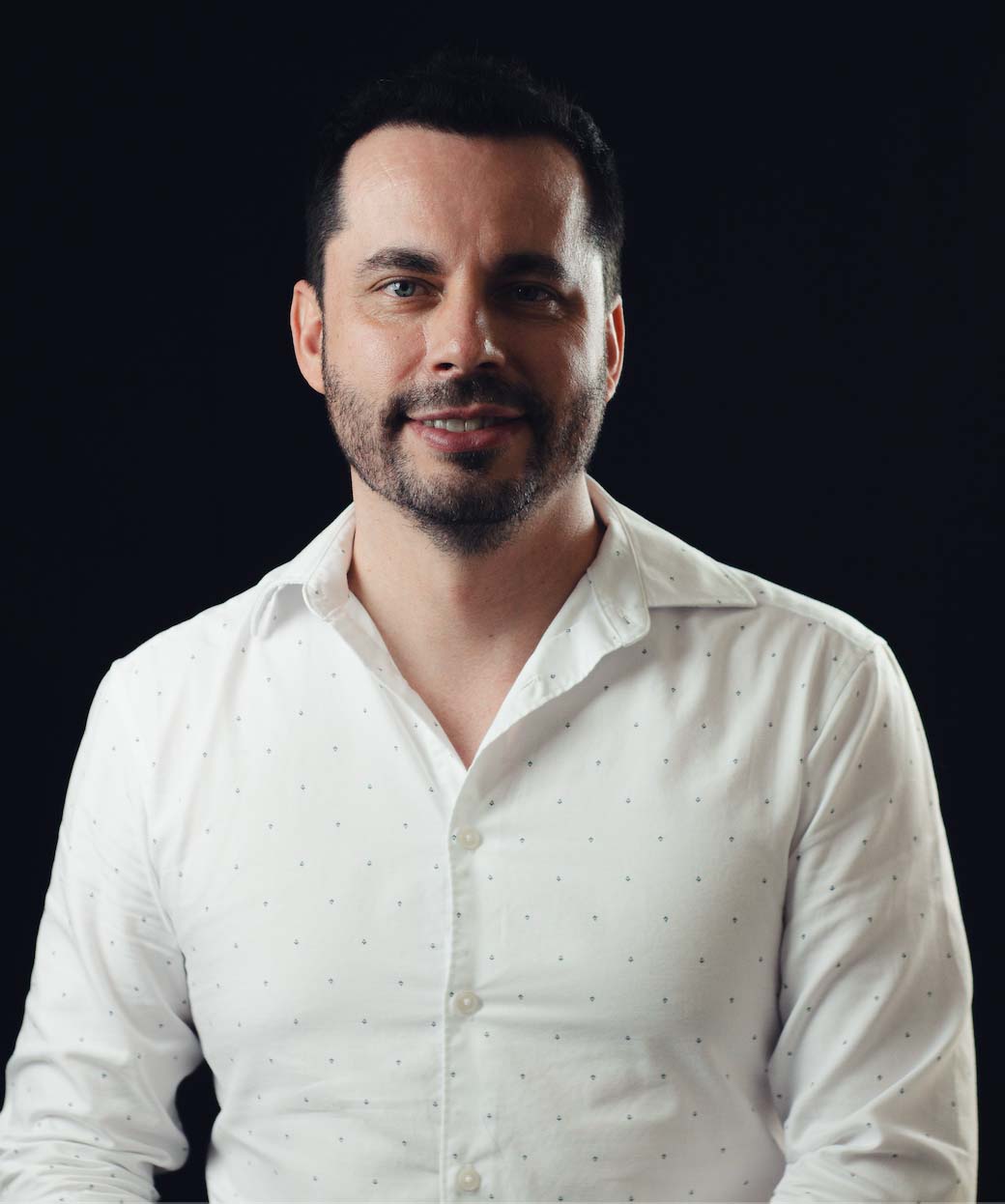
DR. NILMAR MORETTI
Adjunct Professor, Escola Paulista de Medicina / UNIFESP (Brazil)
Nilmar Moretti holds a PhD in Cell and Molecular Biology from the Ribeirão Preto Medical School (USP) and carried out postdoctoral training at UNIFESP and at the Center for Infectious Disease Research in Seattle (USA), later holding faculty positions at the University of York (UK) and the University of Montreal (Canada). His research investigates how RNA modifications (m1A, m6A and ac4C) and protein modifications such as acetylation shape the parasite–host relationship in eukaryotic pathogens like Trypanosoma cruzi, Trypanosoma brucei, and Leishmania, with particular attention to the epitranscriptomic control of parasite differentiation and drug resistance.
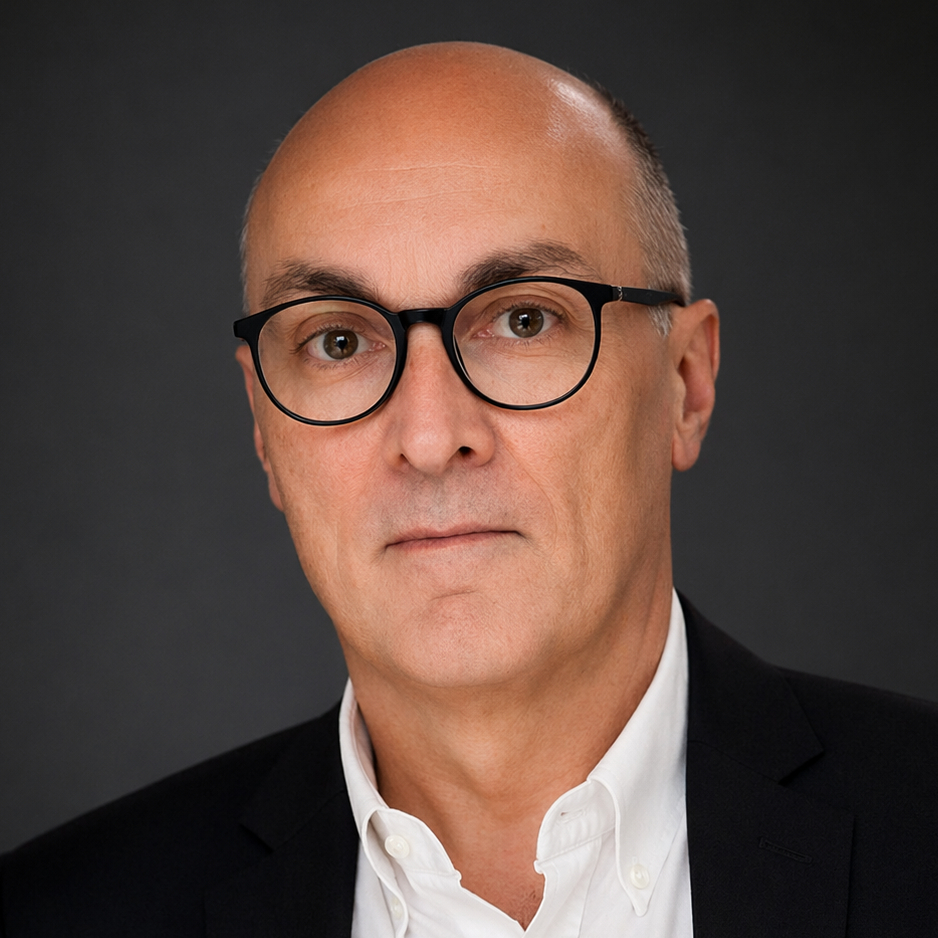
DR. MARCELO BRIONES
Professor and Coordinator of the Center for Medical Bioinformatics, Escola Paulista de Medicina / UNIFESP (Brazil)
Marcelo Briones received his BSc and MSc from the University of São Paulo and his PhD from UNIFESP, followed by a postdoctoral fellowship at New York University, and was an international research scholar of the Howard Hughes Medical Institute. He works at the interface of genomics, molecular biology, and bioinformatics, with an emphasis on evolutionary processes and complex systems. Among his current lines of research is the epitranscriptomics of viral infection, including how infection reshapes RNA modifications such as m6A in host transcripts and noncoding RNAs.

DR. CARLA COLUMBANO OLIVEIRA
Full Professor of Biochemistry, University of São Paulo (IQ-USP) (Brazil)
Graduated in Biological Sciences from State University of Londrina (1985), Master in Genetics and Molecular Biology from Federal University of Rio Grande do Sul (1990); PhD in Molecular Biology – Gesellschaft für Biotechnologische Forshung, Braunschweig, Germany (1994) and post-doc in Molecular Biology at University of Rochester, NY, USA (1997). She is currently a full professor at the University of São Paulo. Her main interests are Biochemistry, Molecular Biology and Genetics, focusing on Post-Transcriptional Control of Gene Expression, acting on the following subjects: Ribosome Synthesis, RNA Processing, Protein-RNA Interaction, Protein-RNA Interaction, Pre-mRNA Splicing and Protein Structure.
DR. ANGELA CRUZ
Full Professor of Molecular Parasitology, Ribeirão Preto Medical School, University of São Paulo (FMRP-USP) (Brazil)
Angela Kaysel Cruz completed her undergraduate studies in Biomedical Sciences at USP and her PhD in Genetics at the Federal University of Rio de Janeiro, followed by postdoctoral training with Stephen M. Beverley at Harvard Medical School (1989–92). Returning to USP in Ribeirão Preto, she established a laboratory devoted to the molecular genetic mechanisms and genomic organization underlying gene expression in Leishmania. Her group currently investigates non-protein-coding transcripts (ncRNAs) that are differentially expressed during development, to understand their biogenesis and their possible role in controlling other genes.

A physician by training, Luciana Amaral Haddad holds a PhD in Biochemistry (Molecular Biology) from UFMG and completed postdoctoral training at the Department of Neurology, Harvard Medical School (Molecular Neurogenetics Unit), with a later sabbatical at the Université Côte d'Azur. Her research addresses the co- and post-transcriptional control of gene expression related to inherited intellectual disability, notably fragile X syndrome and tuberous sclerosis complex. A central focus is FMRP, the RNA-binding protein encoded by the FMR1 gene, and how alternative splicing generates distinct FMR1 transcripts and protein isoforms that shape its roles in translation regulation, neurogenesis, and synaptogenesis.

DR. LUCIANA HADDAD
Professor, Institute of Biosciences, University of São Paulo (IB-USP) (Brazil)
DR. JUAN PABLO TOSAR
Juan Pablo Tosar earned his PhD in Biology from the Universidad de la República (Uruguay) and held visiting positions at Johns Hopkins and Harvard Medical School. Head of the Functional Genomics Laboratory at the Institut Pasteur de Montevideo and the Analytical Biochemistry Unit at UdelaR, he studies the biology of extracellular RNAs — their transport, cellular uptake, and role in intercellular communication — as well as the analytical methods and biosensors his group develops to detect and quantify extracellular vesicles and exRNAs as early biomarkers in minimally invasive liquid biopsies. His research includes the characterization of extracellular ribosomes and full-length tRNAs in biofluids, and of naked, non-vesicular exRNAs as signaling molecules

Assistant Professor, Universidad de la República; Head, Functional Genomics Laboratory, Institut Pasteur de Montevideo (Uruguay)

DR. YRAIMA CORDEIRO
Associate Professor, Faculty of Pharmacy, Federal University of Rio de Janeiro (UFRJ) (Brazil)
Yraima Cordeiro is a professor in the Department of Pharmaceutical Biotechnology at the Faculty of Pharmacy, UFRJ, where she coordinates the Laboratory of Structural Molecular Biology (LaBiME), and has been affiliated with the Brazilian Academy of Sciences and the World Academy of Sciences (TWAS). Her research applies biophysical, biochemical, and spectroscopic approaches to the structure and dynamics of proteins involved in neurodegenerative disease. A central theme is the prion protein (PrP) and how its interactions with cofactors such as nucleic acids and copper drive conformational conversion and liquid–liquid phase separation, processes linked to protein aggregation.
DR. DANIELA BASSÈRES
Researcher, Department of Biochemistry, Institute of Chemistry, University of São Paulo (IQ-USP) (Brazil)
Daniela Sanchez Bassères earned her PhD in Genetics and Molecular Biology from UNICAMP and carried out postdoctoral training at UNICAMP, Harvard Medical School, and the Lineberger Comprehensive Cancer Center (University of North Carolina at Chapel Hill). Her research uses cell biology, molecular biology, and animal models to study cancers driven by the KRAS oncogene, which are widespread and lack effective targeted therapies. Combining transcriptomic and clinical data, her group investigates long noncoding RNAs regulated by oncogenic KRAS and their contribution to the cancer stem cell phenotype, tumor aggressiveness, and chemoresistance in pancreatic ductal adenocarcinoma.


DR. MARCELO MORI
Associate Professor, Department of Biochemistry and Tissue Biology, Institute of Biology, University of Campinas (UNICAMP) (Brazil)
Marcelo Mori earned his degree in Molecular Biology from the Federal University of São Paulo (UNIFESP), with a graduate exchange at the Max-Delbrück Center for Molecular Medicine (Berlin), and completed postdoctoral training at the Joslin Diabetes Center / Harvard Medical School. His research investigates the molecular mechanisms of aging and metabolism, with a focus on how adipose tissue senses energy balance and communicates with other organs. His group has shown that microRNA processing in fat — driven by the enzyme Dicer — declines with aging and is preserved by caloric restriction, and that adipocyte-derived microRNAs can enter the circulation to act as endocrine signals regulating distant tissues.
DR. PATRICIA SEVERINO
Group Leader, Albert Einstein Research and Education Institute, Hospital Israelita Albert Einstein (HIAE) (Brazil)
Patricia Severino earned her master's and PhD in Biotechnology from the University of São Paulo, with doctoral research carried out at the Institut Pasteur in Paris. A molecular biologist with expertise in functional genomics and bioinformatics, she leads a group at the Albert Einstein Research and Education Institute that integrates clinical and molecular data — including single-cell and gene expression approaches — for the molecular characterization of cancer and patterns of treatment response, and to study host–pathogen interactions in healthcare-associated infections. She is a member of the Human Cell Atlas Organizing Committee and contributes to advancing single-cell genomics in Latin America.

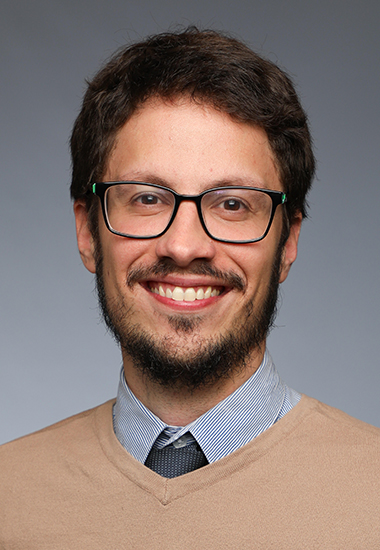
DR. BRUNO MATUCK
Principal Investigator, Hospital Israelita Albert Einstein (HIAE) / FM-USP (Brazil)
Bruno Matuck (DDS, PhD) leads research integrating spatial transcriptomics, spatial proteomics, and digital pathology to map immune–stromal interactions in human tissues, often using autopsy and biopsy specimens. Combining these modalities with AI-based computational frameworks, his work resolves multicellular communication modules and fibroblast-driven immunoregulation across tissue niches, and links spatially resolved signaling hubs to clinical outcomes — for example, identifying salivary-gland modules predictive of survival in chronic graft-versus-host disease and druggable axes in cancer. His research bridges histopathology and spatial multiomics to decode the pathological microenvironment.
Shields Warren-Mallinckrodt Professor of Medical Research, Harvard Medical School; Director, HMS Initiative for RNA Medicine, Beth Israel Deaconess Medical Center (USA)
DR. FRANK SLACK
Frank Slack received his BSc from the University of Cape Town (South Africa) and his PhD in molecular biology from Tufts University School of Medicine. As a postdoctoral fellow in Gary Ruvkun’s laboratory at Harvard Medical School, he co-discovered let-7, the second microRNA identified and the first found in humans (cited in the 2024 Nobel Prize announcement). Slack’s research focuses on microRNAs and other noncoding RNAs in cancer, development, and aging, with a focus on RNA-based therapeutics and biomarkers. He is currently Director of the Harvard Medical School Initiative for RNA Medicine, Director of the Cancer Research Institute at BIDMC, and the Shields Warren-Mallinckrodt Professor of Medical Research and Professor of Medicine at Harvard Medical School. He also serves as Co-Director of the Precision RNA Medicine Core and Academic Director of its Delivery Unit


DR. J RANJAN PERERA
Director, Center for RNA Biology, and Professor, Departments of Neurosurgery and Oncology, Johns Hopkins University School of Medicine (USA)
Ranjan J. Perera, Ph.D., holds an M.S. in Cytogenetics from Peoples’ Friendship University in Moscow and a Ph.D. in Molecular Genetics from Moscow University, with additional training in DNA Repair and Recombination at the University of Ghent and MIT. He has held positions in biotechnology and pharmaceutical companies, as well as academic and research institutions, throughout his career. Currently, he is Director of the Center for RNA Biology at Johns Hopkins All Children’s Hospital and Associate Professor of Oncology at the Johns Hopkins University School of Medicine. His research focuses on non-coding RNAs, tumor plasticity, and systems biology, with particular emphasis on aggressive cancers such as melanoma and medulloblastoma. His work investigates lncRNAs and microRNAs involved in cancer progression, tumor heterogeneity, and therapeutic resistance.
DR. RICARDO GAZZINELLI
Professor, Federal University of Minas Gerais (UFMG); Senior Investigator, René Rachou Institute, Fiocruz (Brazil)
Ricardo Gazzinelli trained in veterinary medicine at UFMG (1985) and earned his PhD in Biochemistry and Immunology at the same university (1989), followed by postdoctoral work in cellular immunology at the National Institutes of Health (NIH, USA). He is Professor at UFMG, Senior Investigator at the René Rachou Institute (Fiocruz), Professor at the University of Massachusetts Chan Medical School, and Director of the National Institute of Science and Technology in Vaccines. His research addresses the immunology of parasitic and infectious diseases — particularly innate immunity and CD8+ T-cell responses to protozoan parasites — and the development of vaccines against neglected and emerging diseases, including Chagas disease, leishmaniasis, malaria, and COVID-19, drawing on next-generation platforms such as viral-vector and mRNA–lipid nanoparticle vaccines.


DR. GLAUCIA VESPA
Independent Consultant, MBA in Health Innovation Management coordinator (FM-USP)
Immunologist with a Master’s degree from the Federal University of São Paulo (UNIFESP), a Ph.D. from the University of São Paulo (USP/FMRP), and postdoctoral training at the University of California, Los Angeles (UCLA). Held academic and research positions at the Albert Einstein Israelite Hospital, as well as leadership roles in major pharmaceutical companies, including Aventis, GSK, Wyeth/Pfizer, Novartis, Seqirus, Ipsen, and Adium/Moderna, serving as Medical, Marketing, and Commercial Director and CEO. Also worked with Brazil’s leading public vaccine manufacturers, including Fiocruz, Butantan, and FURP. Served as a project consultant for Latin America at Oliver Wyman and the Inter-American Development Bank (IDB). Currently works as an independent consultant and coordinates the Innovation in Medicines module of the MBA in Health Innovation Management at the University of São Paulo School of Medicine (FM-USP). Also serves on the Board of Directors of the Brazilian Institute of Corporate Governance (IBGC).